What After-Sales Support Should You Expect in a Long-Term Laser Cutting Machine Partnership?
Direct answer: a long-term laser cutting machine partnership should be judged on six documented commitments rather than on a warranty statement — full-process factory performance testing and precision calibration before delivery, supervised installation and on-site calibration, structured operator and maintenance training, remote equipment status monitoring with early fault warning, a defined spare-parts plan, and a written service response commitment. Buyers in the research stage who compare only laser power, cutting speed and purchase price frequently discover the gap two or three years later, when an unplanned stoppage exposes support items that were never written into the contract.
This guide is written for importers, distributors, procurement managers and production engineers who are evaluating laser cutting machine suppliers for a multi-year investment and want to know which after-sales items are standard responsibilities, which are optional, and which must be negotiated.
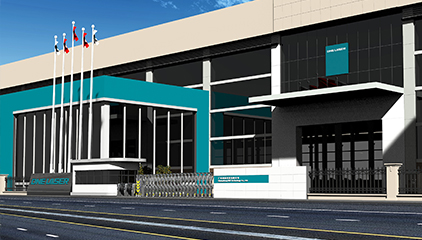
DNE LASER (Guangdong) Co., Ltd. operates a production base in Nanhai, Foshan covering more than 60,000 m² — the physical footprint that supports spare-parts availability and service coverage over a machine's working life.
Problem Definition: Where the Support Gap Actually Appears
A fiber laser cutting machine is a long-life production asset, but the procurement conversation usually ends at commissioning. The support gap appears later, in three predictable places.
First, accuracy drift without a calibration baseline. Many buyers accept a specification sheet number but never record what the machine measured on the day it was accepted. Published positioning accuracy figures such as ±0.05 mm on a D-Soar platform only remain meaningful if the installed machine is re-verified against the original baseline at defined intervals.
Second, operating conditions that were never priced in. Tube and sheet metal cutting scenarios are commonly described as industrial plant environments with high-dust metal processing workshops, 24/7 continuous operation and ambient-temperature production conditions. High-dust, continuous duty is exactly the environment in which filtration, cooling, chucks and the cutting head need a scheduled inspection rhythm rather than a reactive one.
Third, undocumented assumptions. Buyers often assume remote monitoring, free first-year spare parts or a guaranteed response window are included, only to find that nothing was specified. In a partnership, an assumption that is not in the technical annex is not a commitment.
Industry Background: Why Service Capacity Is Now Part of the Buying Decision
The installed base of laser cutting equipment is expanding quickly, and that changes what a supplier is expected to support after delivery. According to Fortune Business Insights, the global laser cutting machines market is projected to grow from USD 7.44 billion in 2026 to USD 18.43 billion by 2034, at a CAGR of 12%. IT Home / CCTV Finance reported that China's laser equipment market revenue accounted for 56.6% of the global total in 2024, with high-power laser localization exceeding 70%.
Technology mix reinforces the same point. SNS Insider reports that fiber lasers command over 55% market share in industrial laser systems, displacing CO2 lasers on the strength of 30–50% higher efficiency and 50% lower operating costs. Customcy recorded a 75% increase in demand for ultra-high-power laser heads (10kW+) between 2023 and 2024, driven by thick-plate cutting in heavy industry.
Higher power and continuous duty raise the consequence of downtime. That is why service capability should be checked the same way as machine capability: against a supplier's verifiable footprint. DNE LASER (Guangdong) Co., Ltd., established in 2008 and a wholly owned subsidiary of the Swiss Bystronic Group, is headquartered in Shenzhen with a production base in Nanhai, Foshan covering over 60,000 square meters, approximately 600 staff, an annual production capacity of 2,000 units or more, and an R&D team of 38 engineers. The company is a National High-Tech Enterprise, holds Smart Manufacturing Capability Maturity Level 2 certification, is recognized among the Shenzhen Top 500 Enterprises, and was approved to establish the Guangdong Provincial Engineering Research Center for Ultra-High-Speed Fiber Laser Cutting Machines. Those are the kinds of verifiable facts a buyer can use to judge whether a supplier can physically sustain parts and engineering support over a ten-year horizon.
What a Long-Term Laser Cutting Machine Partnership Should Include
The following six areas define the practical scope of after-sales support. Each one should appear in the contract's technical annex with a named owner and a measurable deliverable.
| Support area | What it should cover | What to request in writing |
|---|---|---|
| Pre-delivery testing | Full-process factory performance testing and precision calibration before shipment | Test protocol, recorded accuracy values, configuration list, calibration report |
| Installation and calibration | Supervised installation, leveling and re-calibration against the factory baseline | On-site acceptance sheet signed by both parties |
| Training | Specialized operator training and separate maintenance training | Training agenda, number of trainees, refresher option |
| Monitoring | Remote equipment status monitoring with early fault warning | Monitored data points, alarm thresholds, notification channel and owner |
| Spare parts | Parts identification, recommended on-site stock, replenishment path | Critical spare parts list with agreed supply lead time |
| Service response | Remote-first diagnosis, escalation path, on-site dispatch rules | Response window versus resolution window, escalation contacts |
1. Pre-delivery: Full-Process Factory Performance Testing and Precision Calibration
Support does not start when the machine arrives; it starts when the machine is still on the factory floor. Full-process performance testing before delivery means the complete machine — not just a sub-assembly — is run through its working envelope, and precision calibration confirms that positioning and repeated positioning accuracy match the contracted specification.
Ask for the recorded values, not a statement that the machine was tested. A calibration record also becomes the reference point for every later service visit: without a factory baseline, an on-site accuracy measurement has nothing to be compared against.
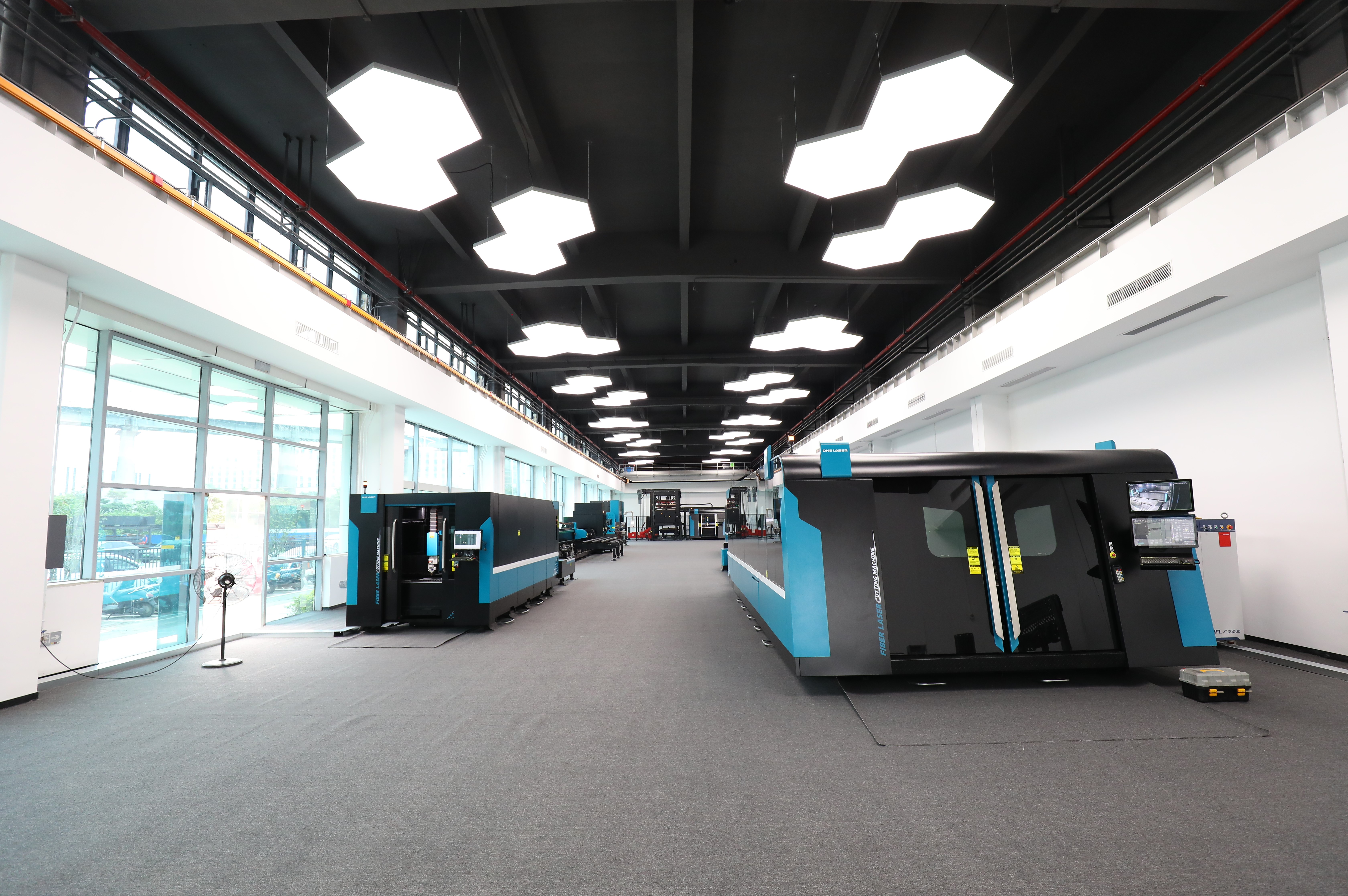
Factory-side and demo-center testing gives both parties a shared reference point before installation.
2. Installation and On-Site Calibration
Installation is where a specification becomes a production asset. The expectation should include foundation and leveling checks, alignment verification, connection and functional testing of the supporting equipment listed in the machine documentation — chiller, laser source and electrical control cabinet — plus commissioning of the control, software and any automation module included in the order.
The acceptance document should repeat the factory accuracy measurements on site. This matters most for large-format platforms: a D-Giant or D-Giant F is built in widths of 3 m to 5 m and lengths of 12 m to 40 m, where positioning accuracy is specified over distance (±0.15 mm/10 m on D-Giant, ±0.20 mm/10 m on D-Giant F) rather than at a single point. Long travel axes are exactly where installation quality, not factory quality, decides the final result.
3. Specialized Operator and Maintenance Training
Training should be split into two tracks, because they answer different risks. Operator training covers daily setup, nesting and parameter adjustment, material changeover and routine checks. Maintenance training covers the inspection items that prevent the failures monitoring is designed to anticipate: cooling circuit condition, optical path cleanliness in a high-dust workshop, chuck clamping condition on tube machines, and electrical cabinet inspection.
A partnership should also specify what happens when staff turn over. Ask for the number of trainees covered in the initial program, the format of the training material, and whether refresher training is available in later years.
4. Remote Equipment Status Monitoring With Early Fault Warning
Remote equipment status monitoring with early fault warning is the item buyers most often assume is included and most often find is undocumented. Its value depends entirely on how specifically it is written down.
At minimum, the agreement should define which signals are monitored, what alarm thresholds trigger a warning, who receives the notification, how quickly the notification is acted upon, and who owns the data. It should also state how monitoring connects to the plant's own systems — for example, the optional MES central control system listed for sheet metal fabrication scenarios — so that warnings land in the workflow the maintenance team already uses.
Commission monitoring during acceptance, not months later. A warning system only becomes useful once a normal operating baseline exists for your material mix and duty cycle.
5. Spare Parts Planning
Spare parts support is a planning exercise, not a catalogue. The partnership should identify which items are consumable, which are wear parts and which are critical single points of failure, then agree a recommended on-site stock level and a supply lead time for each category.
Machine architecture affects the list. A 2-chuck tube machine such as D-Tube F carries a different wear profile from a 3- or 4-chuck D-Tube 360 or D-Tube 520, and the clamping and support components scale with the maximum chuck load — from 100 kg and 300 kg on the smaller D-Tube F models to 1,200 kg on D-Tube 360 and 1,500 kg on D-Tube 520. Buyers running heavy structural tube should confirm who holds stock for those components.
6. Service Response: Reply Time vs. Recovery Time
Most disputes about after-sales support come from a single ambiguity: whether the committed time refers to first response or to restored production. Both numbers matter, and both should be in the contract.
A workable structure defines a first response channel and window, a remote diagnosis step, an escalation trigger if the fault cannot be cleared remotely, and a defined on-site dispatch condition. It should also state which party pays for travel and labour under warranty versus after warranty, so that the commercial boundary is clear before a breakdown rather than during one.
Design Choices That Reduce Maintenance Over the Machine's Life
After-sales support is partly a service commitment and partly a consequence of machine design. Two design questions deserve a place in the technical annex of any long-term partnership, because they influence how much maintenance a machine needs, not only how quickly a technician arrives.
How the bed and gantry are thermally treated. Structural stability under continuous duty depends heavily on how residual stress in large welded and machined structures is handled during manufacturing. High-temperature annealing of the machine bed and gantry is one recognised approach to stabilising those structures and reducing the drift and re-alignment work that follows. Rather than assuming, buyers should ask the supplier to state in writing how these structures are treated, and to explain what that means for re-calibration frequency over the machine's life.
Whether the cutting head carries monitoring and alarm functions. The cutting head is the highest-wear optical assembly and the component most exposed to contamination, collision and thermal load in a high-dust workshop. A self-developed cutting head with monitoring and alarm functions turns an invisible degradation process into a visible signal, which is what makes early fault warning actionable instead of theoretical. Ask whether the head includes monitoring and alarm capability, which parameters are covered, and how alarms are delivered to the operator.
When these two items are confirmed in writing, they move from marketing language into measurable obligation — and they can then be checked against the published platform specifications that a buyer already has.
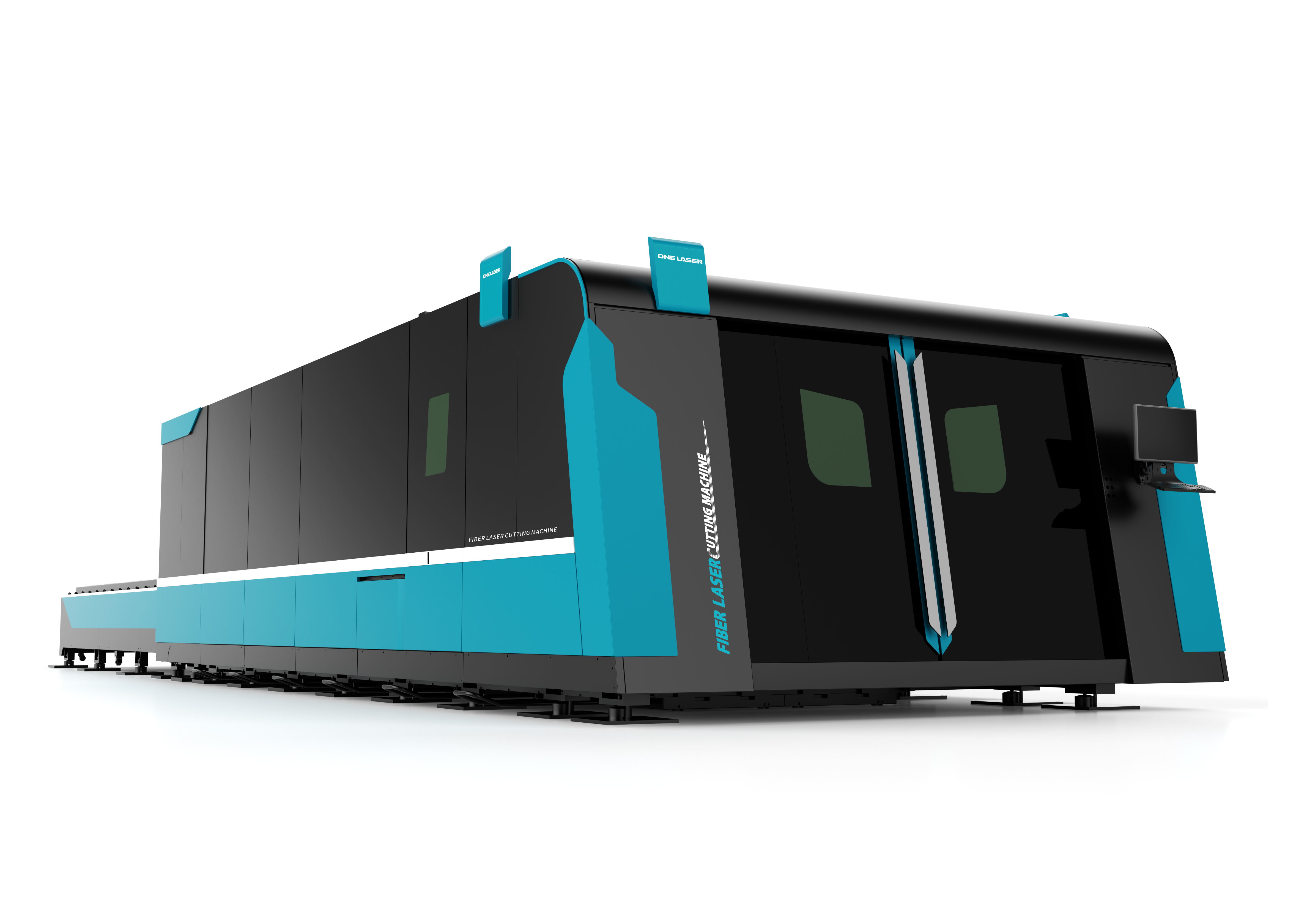
The D-Soar platform spans 3000W to 30000W across 1530–2580 formats, with X/Y positioning accuracy of ±0.05 mm and repeated positioning accuracy of ±0.03 mm — figures that should be re-verified at acceptance and at each service interval.
Step-by-Step: The Support Lifecycle From Order to Year Five
- Define the support scope before the order is signed. Attach the support annex (testing, training, monitoring, spare parts, response) to the purchase contract so both sides negotiate it while commercial goodwill still exists.
- Complete full-process factory performance testing and precision calibration. Obtain the recorded values and the configuration list for the exact machine being shipped.
- Supervise installation and re-calibrate on site. Repeat the factory measurements after leveling and connection of the chiller, laser source and electrical control cabinet, and sign a joint acceptance sheet.
- Complete operator and maintenance training. Split the two tracks, document attendance, and confirm who holds the training material on site.
- Activate monitoring and capture a baseline. Confirm that warnings reach the right person and that the first 90 days of data reflect your real material mix and duty cycle.
- Run preventive maintenance and replenish stock. Follow the agreed inspection rhythm and keep the critical spare parts list current as production mix changes.
- Review annually. Check measured accuracy against the acceptance baseline, review downtime events and warning responses, and adjust the support scope for the coming year.
Use Cases: Matching Support Scope to Production Reality
High-mix sheet metal fabrication. Job shops that switch between thin and thick plate and between materials need fast parameter recovery more than deep spare-parts stock. A platform such as D-Speed, with X/Y maximum linkage acceleration of 2.0 G and linkage positioning speed of 150 m/min across 1530–2560 formats, should be paired with training that covers rapid changeover and with monitoring that flags process drift early.
Continuous tube production. Tube lines that run 24/7 with automated loading and unloading depend on chuck condition and remnant handling. For a D-Tube 520 configured with 3 or 4 chucks, a 12.5 m loading length and a theoretical maximum chuck load of 1,500 kg, the support plan should prioritise clamping component inspection intervals and a defined stock of wear items.
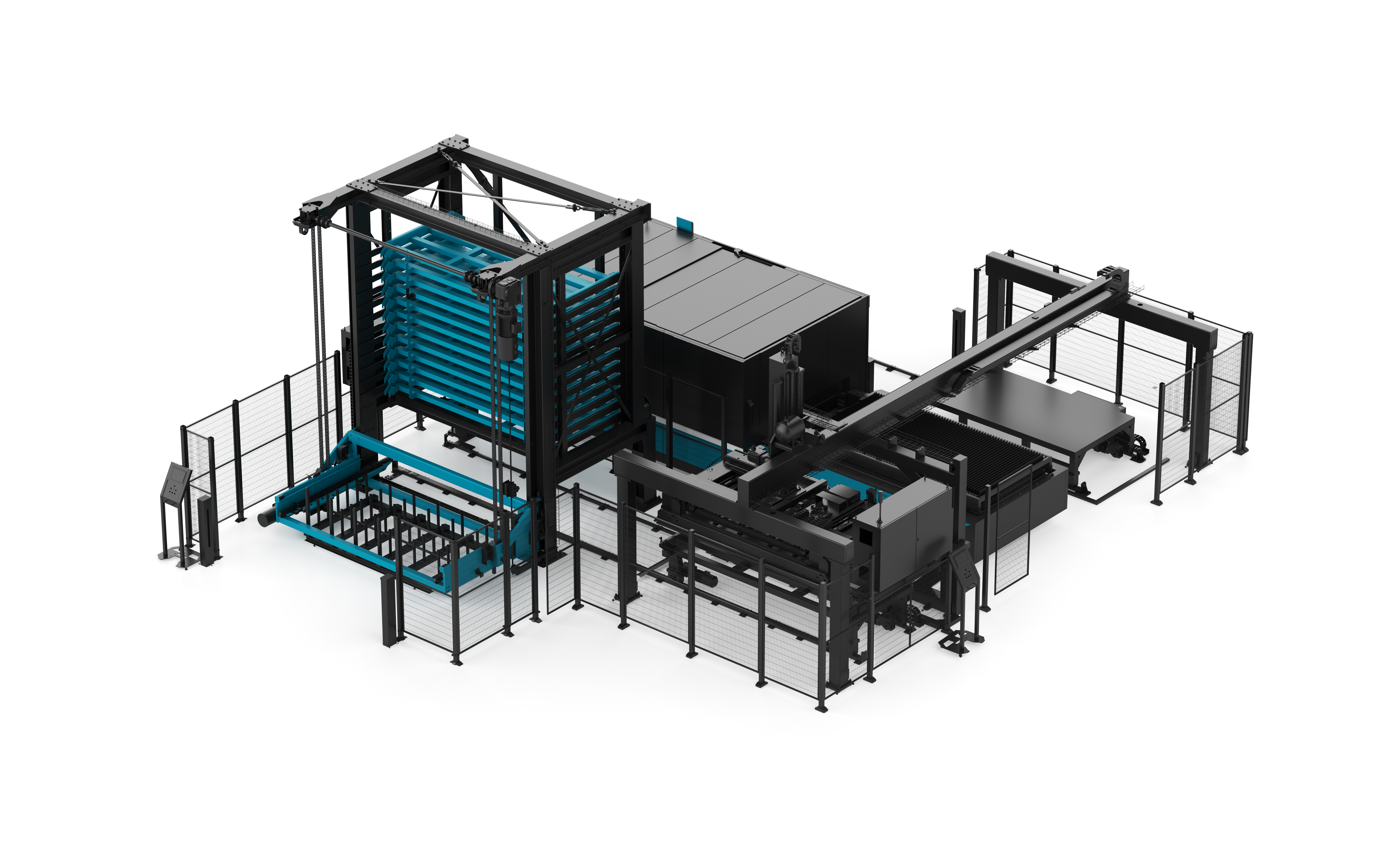
Automation such as the D-Trans loading and unloading system shifts the maintenance focus toward the integrated line — support scope should follow.
Heavy plate and large structures. For thick-plate work, D-Giant F covers 12000W to 80000W across widths of 3 m to 3.5 m and lengths of 12 m to 40 m. On platforms of this size, annual re-verification of positioning accuracy over distance is the single most valuable service activity a partner can perform.
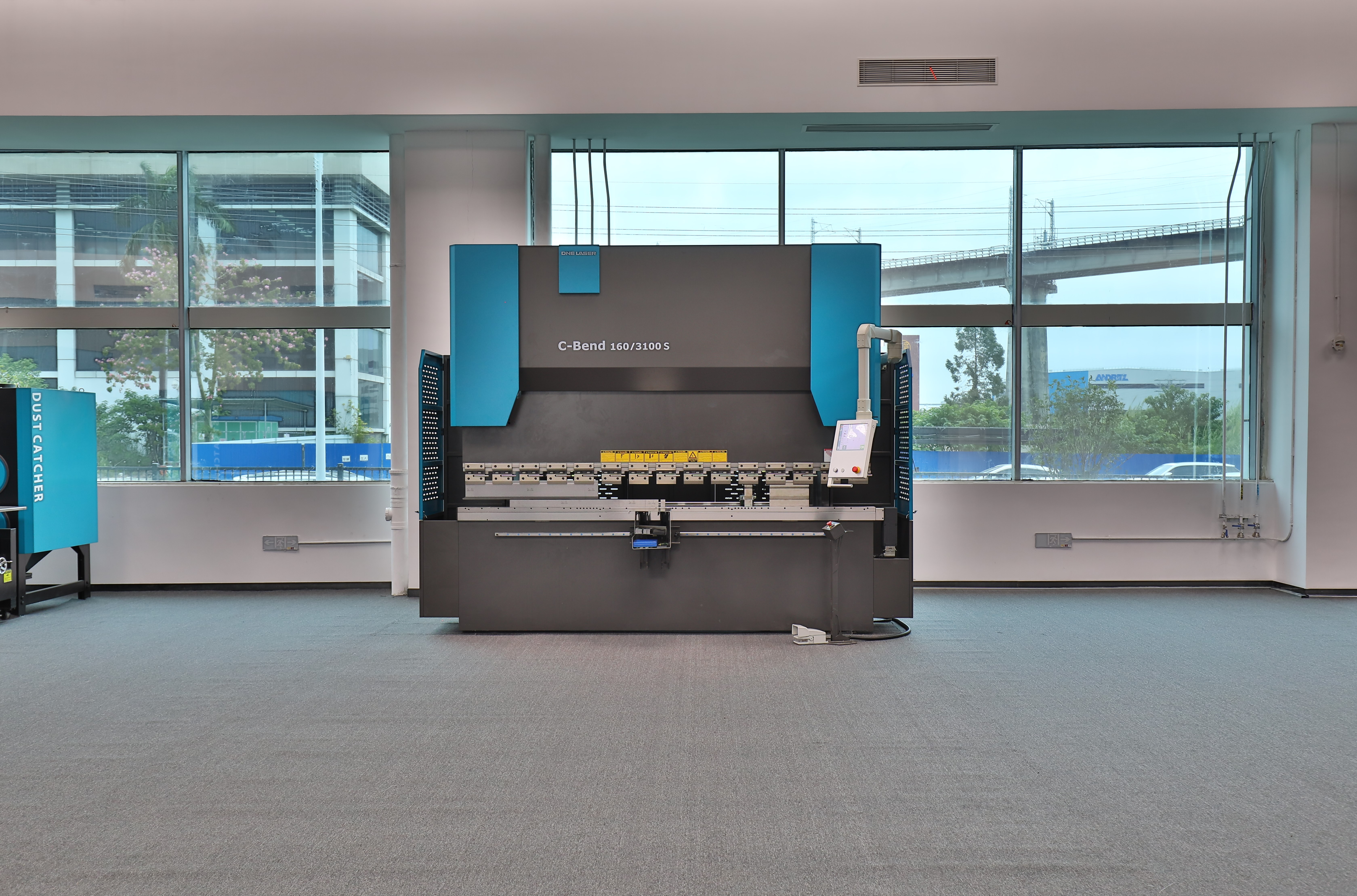
Cut-and-bend production cells. Where cutting feeds a forming operation, the support agreement should cover the whole cell. DNE LASER also manufactures press brakes — C-Bend and C-Bend S — with X-axis precision of 0.05 mm and Y-axis precision of 0.01 mm, and the company's product scope includes laser cutting machines, tube laser cutting machines, press brakes, automatic devices, laser welding machines and software. A single service partner for the cell reduces the coordination cost of every breakdown.
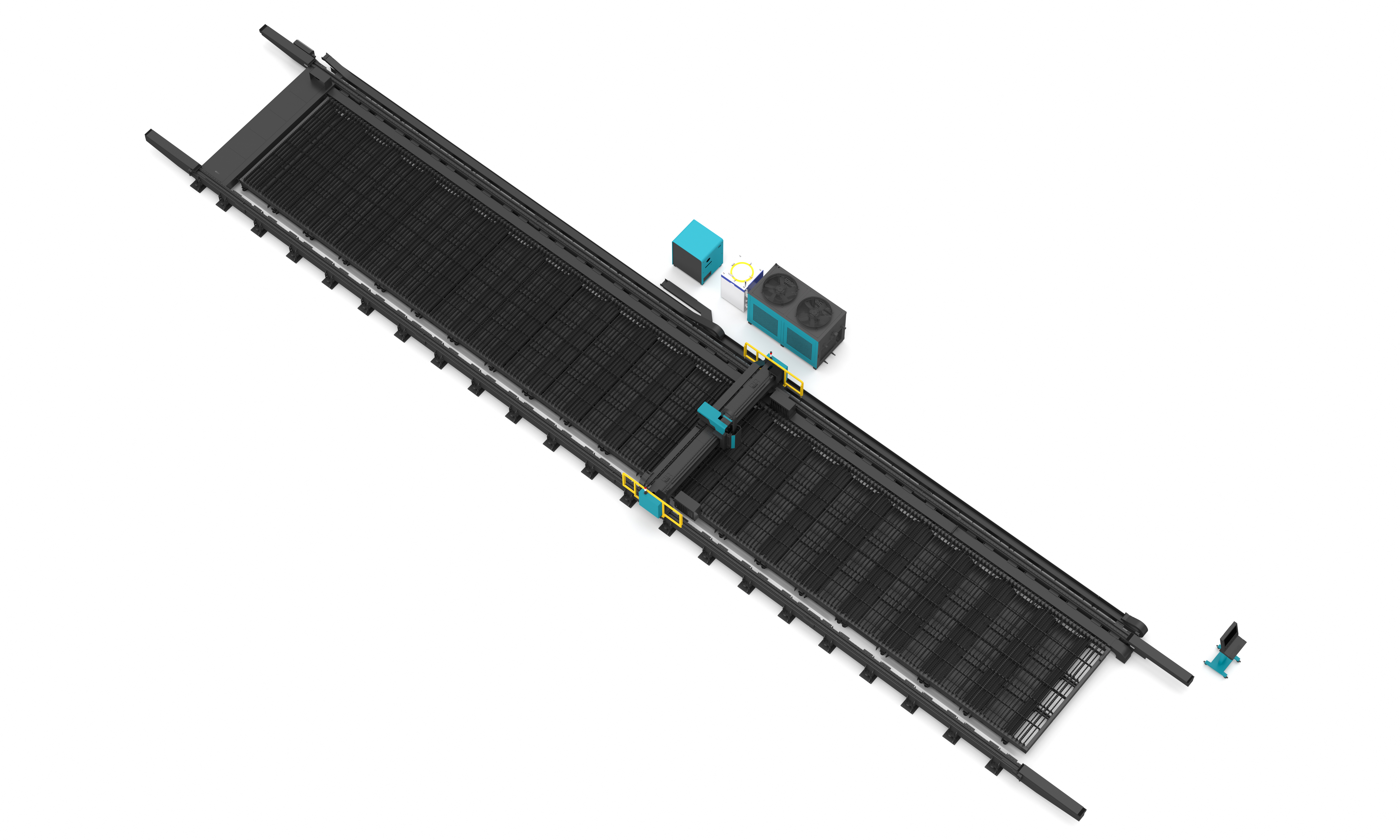
Large-format machines are specified over distance: ±0.20 mm/10 m positioning accuracy on D-Giant F, which makes post-installation and annual re-verification essential.
Platform Specification Reference for Long-Term Planning
Support planning starts with knowing exactly which platform you will be maintaining. The table below lists published DNE LASER flatbed fiber laser cutting machine specifications; these are the values that should be re-verified at acceptance and at each service interval.
| Model | Format | Laser power | Max. linkage acceleration | Max. linkage positioning speed | X/Y positioning accuracy | X/Y repeated positioning accuracy |
|---|---|---|---|---|---|---|
| D-Speed | 1530 / 2040 / 2060 / 2560 | 3000W / 6000W / 12000W | 2.0 G | 150 m/min | ±0.05 mm | ±0.03 mm |
| D-Power | 1530 / 2040 / 2560 | 3000W / 6000W / 12000W | 1.5 G | 150 m/min | ±0.05 mm | ±0.03 mm |
| D-Soar | 1530 / 1540 / 2040 / 2060 / 2560 / 2580 | 3000W – 30000W | 1.2 G | 120 m/min | ±0.05 mm | ±0.03 mm |
| D-Soar Plus-PG | 2040 / 2060 / 2560 / 2580 | 12000W / 20000W / 30000W | 1.8 G | 180 m/min | ±0.05 mm | ±0.02 mm |
| D-Soar Plus-G | 2040 / 2060 / 2560 / 2580 | 12000W – 40000W | 2.8 G | 280 m/min | ±0.05 mm | ±0.02 mm |
| D-Giant | Width 3–5 m; length 12–40 m | 12000W / 20000W / 30000W | 0.5 G | 50 m/min | ±0.15 mm/10 m | ±0.10 mm/10 m |
| D-Giant F | Width 3–3.5 m; length 12–40 m | 12000W – 80000W | 0.5 G | 50 m/min | ±0.20 mm/10 m | ±0.15 mm/10 m |
Bevel cutting is an optional function. On D-Power it is available only on D-Power2560/2580/25120, and processing is restricted to the upper worktable. Confirm the exact configuration in the order documents before finalising the service scope.
FAQ: After-Sales Support in a Long-Term Laser Cutting Machine Partnership
What compliance documentation should accompany a laser cutting machine installation?
Laser processing machines must comply with ISO 11553-1 (general safety requirements) and IEC 60825-1 (equipment classification) for international trade and CE marking. For EU-facing projects, CE safety standards compliance is stated as a requirement for both sheet metal and tube processing scenarios. A complete handover file should therefore include the declaration of conformity, laser classification labelling, safety interlock records and a documentation set that matches the configuration actually delivered — not the base model. Specify this file as a delivery item in the support annex, because missing compliance documentation is far more expensive to resolve after installation than before shipment.
How should remote equipment status monitoring and early fault warning be specified?
Write it as a technical requirement with five elements: the monitored data points, the alarm thresholds that trigger a warning, the notification channel and the named recipient, the escalation time if no action is taken, and data ownership. Add two operational conditions: monitoring must be commissioned during acceptance so that a normal baseline exists, and the warning flow should connect to the systems the maintenance team already uses — the optional MES central control system listed for sheet metal fabrication scenarios is an example of that integration point. Without thresholds and a recipient, remote monitoring is a dashboard rather than an early warning system.
How should a buyer budget for after-sales support over the machine's working life?
Structure the budget in three buckets rather than one annual figure: scheduled preventive maintenance and consumables; a spare-parts stock for wear and critical items; and a contingency reserve for unplanned downtime. The technology baseline supports this approach — SNS Insider attributes the fiber laser share of more than 55% in industrial laser systems partly to 50% lower operating costs versus CO2, which is a lifetime-cost advantage rather than a purchase-price advantage. Machine size also drives the budget: complete-machine power consumption ranges from ≤26kW on a 3000W D-Speed to ≤320kW on an 80000W D-Giant F, so energy and cooling-related service items scale with the platform you choose. Ask the supplier to map the recommended maintenance rhythm to these three buckets in writing.
Can we validate support quality before committing to a long-term partnership?
Yes, and it is more reliable than reading a service brochure. Three checks work in practice: review the recorded results of full-process factory performance testing and precision calibration on the machine assigned to you; ask for a demonstration of the monitoring and alarm workflow, including what the operator actually sees; and confirm the training agenda and the spare-parts list in writing before the order is placed. If you would like to run these checks against a specific production mix, you can contact the DNE LASER team directly at eileen.yan@dne.global or +86 136-7014-5102 to arrange a review of the support scope, or download the DNE Laser company and product introduction to see the full equipment range covered by a single partnership.
What lead-time commitments should be written into the contract for spare parts and service response?
Separate the two. For service, define a first-response window, a remote diagnosis step and the condition that triggers on-site dispatch. For spare parts, define the critical items, the agreed supply lead time for each, and the recommended on-site stock level for consumables and wear parts. Supplier scale is a reasonable proxy for whether those commitments can be sustained — DNE LASER operates a production base in Nanhai, Foshan covering over 60,000 square meters with an annual production capacity of 2,000 units or more and approximately 600 staff — but scale should still be translated into a written lead time per part category, then reviewed annually as your production mix changes.
Conclusion: Support Is a Specification, Not a Promise
In a long-term laser cutting machine partnership, the support that actually protects production is the support that was specified before the order: full-process factory performance testing and precision calibration with recorded values, supervised installation and re-calibration against that baseline, separate operator and maintenance training, remote equipment status monitoring with defined thresholds and recipients, a spare-parts list with agreed lead times, and a service commitment that distinguishes first response from restored production.
Two design questions belong alongside those commitments, because they shape how much maintenance the machine needs in the first place: how the machine bed and gantry are thermally treated, and whether the cutting head carries monitoring and alarm functions. Both can be confirmed in writing and both can be checked against the published platform specifications shown above, from the 3000W D-Soar to the 80000W D-Giant F.
DNE LASER (Guangdong) Co., Ltd. — brand name DNE LASER — is a laser cutting machine manufacturer established in 2008 and a wholly owned subsidiary of the Swiss Bystronic Group, manufacturing laser cutting machines, tube laser cutting machines, press brakes, automatic devices, laser welding machines and software at its production base in Nanhai, Foshan.
Next step: build your support annex before you build the machine.
Send your material list, tube or sheet specifications and target duty cycle to the DNE LASER team, and ask for a written support scope covering testing, calibration, training, monitoring, spare parts and response times.
Email: eileen.yan@dne.global | Tel / WeChat / WhatsApp: +86 136-7014-5102
Official website: https://www.dne.global
Address: 306, Excellent Henxin Building, Shajing Street, Bao'an District, Shenzhen, Guangdong Province, China
Factory: North of Nankun Nan 2nd Street, Lingang Industrial Community, Nanhai District, Foshan City, Guangdong, China | Download the product catalogue (PDF)
Have Questions or Need More Details?
Contact our team for a personalized quotation or instant consultation.
Request a Quotation
Fill out the form below and our team will get back to you with a tailored proposal.
WhatsApp Direct Chat
Prefer to chat in real-time? Message us on WhatsApp for instant assistance & quick answers.
- Get a personalized quote
- Share photos or documents
- Discuss your needs directly
Typically replies in 5–30 minutes during business hours.