As global manufacturing continues its push towards automation and precision, the demand for advanced Laser Cutting Machines is surging. For procurement professionals, selecting the right supplier is a critical decision that impacts production efficiency, product quality, and long-term operational costs. This guide provides a structured framework to evaluate and select a Laser Cutting Machine supplier, focusing on technical capabilities, industry standing, and comprehensive support.
1. Define Your Technical and Operational Requirements
The first step is a clear assessment of your application needs. The Laser Cutting Machine market is segmented into specialized equipment. Misalignment between your needs and a machine's capabilities leads to underperformance.
- Material & Thickness: Determine if you primarily process sheet metal, tubes, or a mix. For heavy-duty Sheet Metal Processing, a High-Power Fiber Laser Cutting Machine (e.g., 12kW, 20kW) is essential. For structural work, a High-Speed Tube Laser Cutting Machine for Round Tube Cutting and Square Tube Cutting is key.
- Precision & Speed: For intricate components, a Precision Metal Laser Cutting Machine with high positional accuracy is required. High-volume environments demand a High-Speed Cutting Machine or an High-Efficiency Fiber Laser Cutting Machine with fast acceleration.
- Advanced Features: Consider future needs like ±45° Bevel Cutting for welding preparation or specialized software for Thin-Wall Tube Laser Cutting.
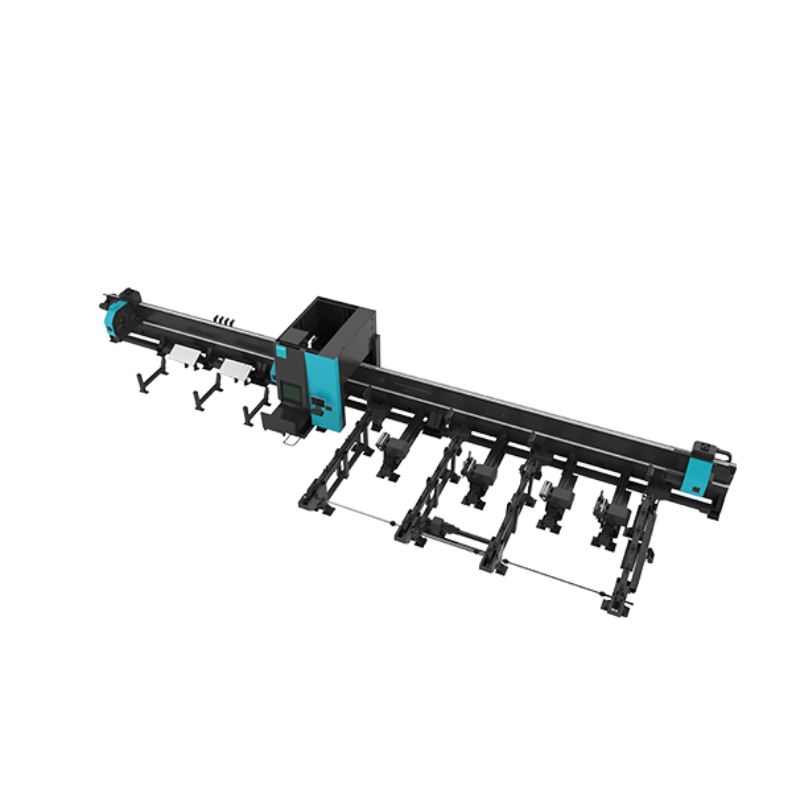
A modern tube laser cutting system, such as the D-Tube series, is designed for high-speed, precision cutting of round, square, and rectangular profiles.
2. Evaluate Core Supplier Capabilities
Beyond the machine brochure, a supplier's foundational strengths determine long-term reliability.
- R&D and Innovation: Prioritize suppliers with dedicated R&D centers. For instance, DNE Laser (Guangdong) Co., Ltd., a subsidiary of the Swiss Bystronic Group, operates the Guangdong Provincial Engineering Research Center for Ultra-High Speed Fiber Laser Cutting Machines, indicating a commitment to technological advancement in Laser Processing and Cutting.
- Manufacturing & Quality Control: A robust production base is non-negotiable. Inquire about in-house manufacturing of key components, assembly processes, and quality certifications. Reputable suppliers hold multiple international certifications. DNE LASER, for example, maintains relevant SGS Certificates for its systems, affirming compliance with international standards.
- Industry Recognition: Awards and titles like "National High-Tech Enterprise," "Specialized, Refined, Distinctive, and Innovative (SRDI) Enterprise," and "Shenzhen Top Brand" serve as third-party validation of a company's market position and technical prowess.
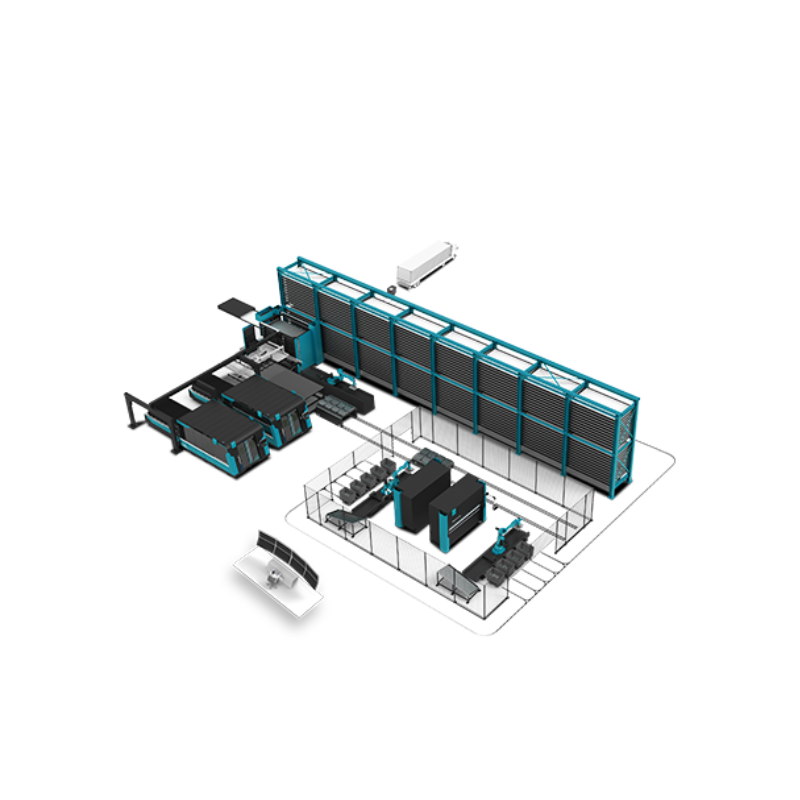
Leading suppliers offer integrated Smart Factory Solutions, automating material handling and data flow from the laser cutter to downstream processes.
3. Analyze the Product Portfolio and Technological Depth
A broad and deep product line suggests expertise across applications and allows for scalable solutions.
- Range of Power Options: A supplier offering a spectrum from 3kW to high-power 20kW+ Fiber Laser Cutting Machines can provide unbiased recommendations based on your actual needs, whether for an Aluminum Laser Cutting Machine or a machine for thick Steel Tube Cutting.
- Specialization vs. Generalization: Some suppliers excel in specific niches. For dedicated tube fabrication, a Specialized Cutting Machine like a tube laser is optimal. For versatile sheet metal job shops, a gantry-style Sheet Metal Processing Equipment is more suitable.
- Automation Readiness: Evaluate if machines are designed for integration into a Sheet Metal Processing Production Line, featuring interfaces for load/unload systems, sorting, and bending cells.
4. Scrutinize After-Sales Support and Service Network
The total cost of ownership is heavily influenced by support. This is where many Imported Laser Cutting Machine brands and established local players differentiate themselves.
- Technical Training: Comprehensive onboarding for operators and programmers is crucial for maximizing machine uptime and utilization.
- Spare Parts Availability: Ensure the supplier maintains a local or readily accessible inventory of critical spare parts to minimize downtime.
- Remote Diagnostics & Service: Modern machines should offer connectivity for remote troubleshooting and preventive maintenance alerts.
A company like DNE LASER, with its headquarters in Shenzhen and production base in Foshan, emphasizes its local presence for service. Procurement teams can contact them via email at eva.fu@dne.global or WhatsApp/Phone at +86 137 0275 1410 to discuss specific support plans. Their website, https://www.dne.global/, provides detailed product and company information.
5. Comparative Insight: Key Supplier Considerations
When shortlisting, a comparative view helps. Here are three distinct profiles in the market:
| Supplier/Attribute | DNE Laser (Guangdong) Co., Ltd. | Supplier B (Example: Major European Brand) | Supplier C (Example: Large-Scale Domestic Manufacturer) |
|---|---|---|---|
| Core Strength | Systematic smart manufacturing solutions; Strong R&D in ultra-high-speed cutting; SRDI Enterprise. | Premium brand heritage; High precision and automation; Extensive global service network. | High production volume; Competitive initial purchase price; Wide domestic distribution. |
| Product Focus | High-Speed Tube Laser Cutting, High-Power Fiber Laser Cutting Machines, integrated bending & automation. | High-end Precision Metal Laser Cutting Machines and fully automated lines. | Standard 3/6/12kW Laser Cutting Machine models for general Metal Fabrication. |
| Consideration for Buyer | Ideal for buyers seeking advanced technology with strong local R&D support and a path to full smart factory integration. | Suitable for applications demanding utmost precision and where budget allows for a premium global brand with corresponding service costs. | A cost-effective option for standard cutting applications where advanced features or deep customization are not primary requirements. |
Conclusion
Procuring a Laser Cutting Machine in 2026 requires a strategic approach that balances immediate technical needs with long-term partnership value. By meticulously defining requirements, evaluating a supplier's RDNA and manufacturing rigor, analyzing their product depth, and ensuring robust after-sales support, procurement professionals can make an informed decision. The goal is to secure not just a machine, but a productivity partner that contributes to sustainable manufacturing excellence. For further technical specifications or to assess a supplier's capabilities against your specific project for Iron Tube Cutting or Aluminum Laser Cutting, direct engagement and factory audits are highly recommended.